Step-by-Step Guide to Mold Containment for Staatsburg Properties
Mold doesn’t wait for an invitation—especially in our humid Hudson Valley climate. Proper containment is the critical first step to prevent spores from spreading during remediation. We’ve stopped outbreaks in Hyde Park basements and Rhinebeck attics by following these proven protocols.
Why Containment Matters Before Mold Removal
Without containment, disturbing mold colonies releases millions of spores into the air. These microscopic particles travel through HVAC systems, settling in new areas of your property.
In Staatsburg’s older homes, porous materials like drywall and insulation absorb spores quickly. Containment barriers physically block this spread, protecting unaffected spaces.
Mold spores can become airborne within minutes of disturbance. Never skip containment—even for small patches.
Tools and Equipment for Effective Containment
We use 6-mil polyethylene sheeting to create airtight barriers around the work zone. Heavy-duty tape seals seams and edges to floors, walls, and ceilings.
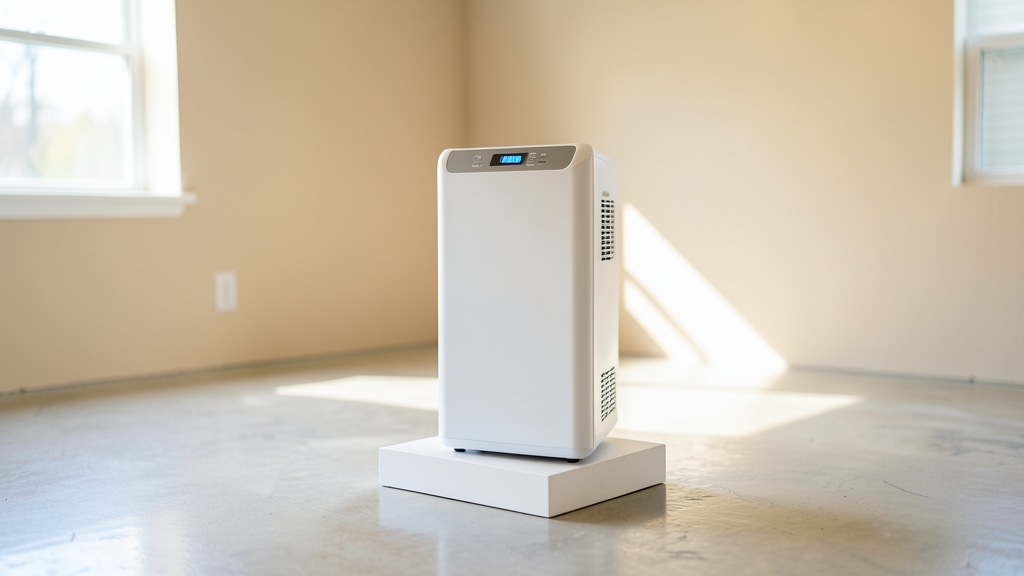
Negative air machines with HEPA filters pull airborne spores from the contained area, venting them outside. Air scrubbers run continuously during remediation.
| Equipment | Purpose | Critical For |
|---|---|---|
| 6-mil Poly Sheeting | Physical barrier to isolate mold | All containment zones |
| Negative Air Machine | Creates negative pressure, filters spores | Medium/large infestations |
| HEPA Air Scrubber | Captures airborne spores | Active remediation areas |
| Dehumidifier | Reduces moisture below 50% RH | Preventing regrowth |
| PPE (Respirators, Gloves, Suits) | Protects technicians from exposure | All mold projects |
Step 1: Assess the Mold’s Extent and Location
Before setting up containment, we map the infestation. Thermal imaging and moisture meters reveal hidden mold behind walls or under flooring.
In basements near Rhinecliff or crawl spaces in Poughkeepsie, we often find mold tied to water intrusion from poor drainage or foundation cracks.
Step 2: Seal Off the Work Area with Barriers
We build a containment chamber using plastic sheeting, ensuring all seams are taped and the barrier extends at least 4 feet beyond the mold’s visible edges.
For large or multi-room outbreaks, we create multiple containment zones to isolate clean, gray, and contaminated areas.
All removed materials are double-bagged in 6-mil plastic and sealed with tape before leaving the containment zone.
Step 3: Establish Negative Air Pressure
Negative air machines are positioned to pull air from the contaminated zone, filter it through HEPA, and exhaust it outside. This prevents spores from escaping.
We monitor pressure differentials with manometers to confirm the system maintains at least -0.02 inches of water column.
Containment for Different Property Types
Residential jobs in Staatsburg often focus on basements and attics, where poor ventilation traps moisture. We use smaller, targeted containment for these spaces.
Commercial properties, like warehouses near Rhinebeck, may require full-building containment with modular barriers and industrial air scrubbers.
Common Mistakes to Avoid During Containment
Using thin plastic or improper tape leads to barrier failures. We’ve seen DIY attempts in Hyde Park where spores escaped through tears in the sheeting.
Skipping negative air pressure is another critical error. Without it, spores can drift into clean areas, worsening the infestation.
Containment Do’s and Don’ts
- Do use 6-mil or thicker polyethylene sheeting
- Do seal all seams and edges with mold-resistant tape
- Do maintain negative pressure throughout remediation
- Don’t use household fans—they spread spores
- Don’t reuse containment materials between jobs
When to Call a Professional for Mold Containment
If the mold covers more than 10 square feet, or if it’s in your HVAC system, containment requires professional equipment and expertise.
In Staatsburg’s historic homes, hidden mold in wall cavities or behind lathe and plaster demands specialized containment strategies we’re trained to handle.
How to Set Up Basic Mold Containment at Home
For small, contained mold patches, you can take initial steps to limit spread before professionals arrive.
- 1Identify and Isolate the Area
Close doors and windows to the affected space. Turn off HVAC systems to prevent airborne spores from circulating.
- 2Seal the Area with Plastic Sheeting
Hang 6-mil plastic sheeting over doorways or openings, securing it with tape. Overlap seams by at least 12 inches.
- 3Use a Fan with a HEPA Filter (If Available)
Position a HEPA air purifier inside the contained area to capture spores. Avoid regular fans, which can spread contamination.
- 4Wear Protective Gear
Use an N95 respirator, gloves, and goggles when handling moldy materials. Dispose of contaminated PPE after use.
- 5Minimize Disturbance
Avoid touching or disturbing the mold until professionals arrive. Even light contact can release spores.
Frequently Asked Questions
How long does mold containment need to stay in place?
Containment remains until remediation is complete and post-remediation testing confirms spore levels are normal. For large jobs in Rhinebeck or Poughkeepsie, this can take several days to a week.
Can I stay in my home during mold containment and remediation?
For small, isolated projects, you may stay if the contained area is sealed off. For extensive infestations, especially in living spaces, temporary relocation is safer. We’ll advise based on the scope.
What’s the difference between containment and encapsulation?
Containment isolates mold to prevent spread during removal. Encapsulation seals moldy surfaces (like crawl space joists) with a specialized coating to trap spores—used when removal isn’t feasible.
Does homeowners insurance cover mold containment costs in Staatsburg?
Coverage varies by policy and the mold’s cause. If the mold results from a covered water damage event (e.g., burst pipe), containment and remediation may be included. Request a free quote and check your policy details.
How do you contain mold in an attic with no doorway?
We create a containment barrier using plastic sheeting hung from the attic opening, sealed with tape. Negative air machines are positioned to pull air from the attic, and we use extension cords to power equipment safely.
Is mold containment necessary for minor mold in a bathroom?
For small, surface-level mold (under 10 sq ft), containment may not be critical. However, if the mold is in porous materials like drywall or the infestation is recurring, professional containment ensures spores don’t spread during cleaning.