Mold and Mildew Remediation: What Works Best in Staatsburg Homes
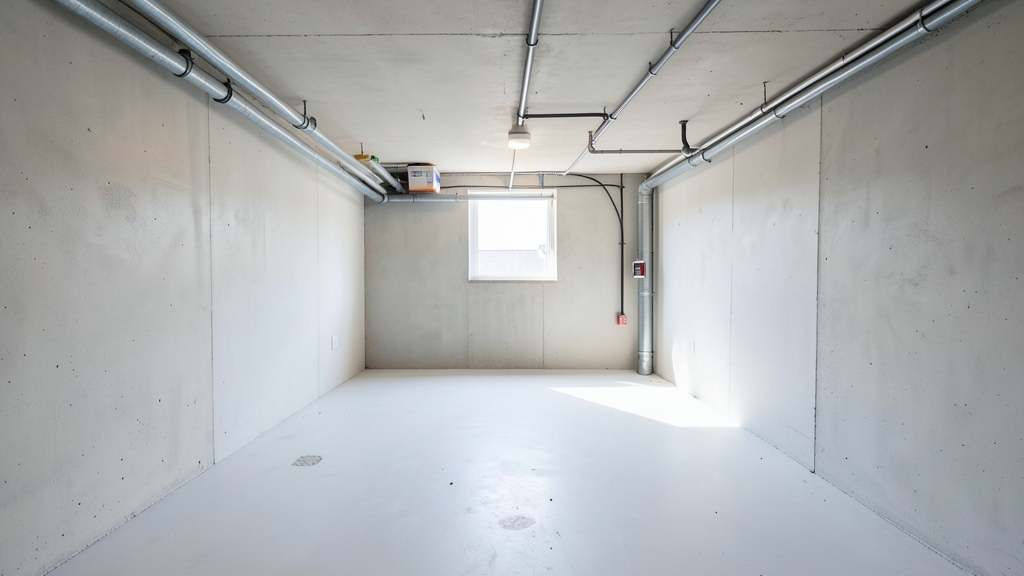
Mold and mildew thrive in our Hudson Valley climate, especially after wet seasons or poor ventilation. We’ve seen firsthand how quickly spores spread in basements, attics, and crawl spaces across Staatsburg and nearby Hyde Park or Rhinebeck. The right remediation strategy stops damage and prevents regrowth.
Why Staatsburg Homes Are Prone to Mold Growth
Our humid summers and cold, damp winters create ideal conditions for mold. Basements in older Staatsburg homes often lack proper vapor barriers, while attics trap moisture from temperature swings.
Proximity to the Hudson River means higher ambient humidity, especially in Rhinecliff and Rhinebeck. Poor grading or clogged gutters compound the issue, directing water toward foundations.
Mold vs. Mildew: Key Differences for Remediation
Mildew is surface-level and easier to treat with cleaning and ventilation. Mold penetrates materials, requiring removal and often professional remediation to eliminate spores at the source.
| Characteristic | Mold | Mildew |
|---|---|---|
| Appearance | Black, green, or dark patches; fuzzy or slimy | White, gray, or yellow; powdery or downy |
| Depth | Penetrates porous materials (drywall, wood, insulation) | Surface-level on non-porous or semi-porous surfaces |
| Health Risk | Higher; can produce mycotoxins (e.g., black mold) | Lower; primarily cosmetic and musty odor |
| Remediation | Professional removal, HEPA vacuuming, antimicrobial treatment | Cleaning with detergent, improving ventilation |
| Recurrence Risk | High without moisture control | Low with proper cleaning and airflow |
Signs You Need Professional Mold Remediation
Visible growth is the obvious sign, but hidden mold often lurks behind drywall or under flooring. Musty odors, water stains, or peeling paint in basements and attics are red flags we investigate first.
In commercial properties or older Staatsburg homes, persistent allergies or respiratory issues among occupants can indicate a hidden mold problem. We use thermal imaging and air quality testing to confirm.
Avoid touching or bleaching mold—this can release spores into the air and worsen contamination. Containment is critical before any cleanup begins.
The Most Effective Mold Remediation Methods
HEPA vacuuming removes spores from surfaces without spreading them. For porous materials like drywall or insulation, removal is often the only solution—sandwiching or encapsulating can trap moisture and worsen the problem.
Antimicrobial treatments kill remaining spores after physical removal. In crawl spaces or basements, we often pair remediation with moisture control solutions like dehumidifiers or vapor barriers.
For severe infestations, especially in Poughkeepsie or Hyde Park properties with extensive water damage, full containment with negative air pressure prevents cross-contamination during removal.
Moisture Control: The Key to Preventing Recurrence
Mold returns without addressing the root cause: excess moisture. We install dehumidifiers in basements, improve attic ventilation, and repair leaks in roofs or plumbing to keep humidity below 60%.
In crawl spaces, encapsulation with a vapor barrier creates a sealed, dry environment. For homes near the river, grading and gutter extensions direct water away from the foundation.
Moisture Control Checklist
- Inspect and repair roof leaks or damaged flashing
- Ensure gutters and downspouts direct water at least 5 feet from the foundation
- Use dehumidifiers in basements and crawl spaces (aim for 30-50% humidity)
- Seal gaps around windows, doors, and pipes to prevent condensation
- Install a vapor barrier in crawl spaces
- Ventilate attics and bathrooms with exhaust fans
DIY vs. Professional Remediation: When to Call Us
Small, surface-level mildew in bathrooms or on windowsills can often be handled with cleaning and ventilation. But for mold covering more than 10 square feet—or in HVAC systems, attics, or basements—professional remediation is safer and more thorough.
We’ve seen DIY attempts in Rhinebeck and Staatsburg homes backfire when homeowners miss hidden mold in wall cavities or fail to contain spores. Improper cleanup can spread contamination and increase health risks.
If you’re unsure whether it’s mold or mildew, a professional mold test identifies the type and extent. This guides the right remediation approach and prevents wasted effort.
Local Considerations for Staatsburg and Surrounding Areas
Older homes in Staatsburg and Hyde Park often have stone foundations or plaster walls, which retain moisture differently than modern materials. We adapt our methods to these structures, using gentle yet effective techniques to avoid damage.
Riverfront properties in Rhinecliff face higher humidity and flood risks. After water damage, we prioritize rapid drying and mold inspection to prevent long-term issues.
What to Expect During Professional Mold Remediation
We start with a thorough inspection, including air quality testing and moisture mapping. Containment barriers isolate the affected area, and HEPA air scrubbers filter spores from the air during removal.
After remediation, we verify success with post-clearance testing. This ensures the mold is gone and your home is safe—critical for peace of mind in family homes or commercial spaces.
How to Prevent Mold Growth in Your Basement
Basements are the most common site for mold in Staatsburg homes due to poor ventilation and moisture buildup.
- 1Inspect for Leaks
Check walls, floors, and pipes for water intrusion. Look for stains, efflorescence (white mineral deposits), or damp spots.
- 2Improve Drainage
Extend downspouts away from the foundation and ensure the ground slopes away from your home.
- 3Use a Dehumidifier
Run a dehumidifier continuously in humid months, emptying the tank regularly or using a drain line.
- 4Seal Cracks
Fill cracks in walls or floors with hydraulic cement or waterproof sealant to block moisture entry.
- 5Ventilate
Open windows when weather permits, or install a basement ventilation system to improve airflow.
- 6Store Items Properly
Keep belongings off the floor and use moisture-resistant storage containers to reduce mold food sources.
Frequently Asked Questions
How do I know if my Staatsburg home has toxic black mold?
Black mold (Stachybotrys) is dark green or black with a slimy texture and often appears in chronically damp areas. Only professional mold testing can confirm its presence and toxicity. We use lab analysis to identify the species and recommend safe removal.
Can mold come back after remediation?
Yes, if moisture isn’t controlled. We address the root cause—leaks, poor ventilation, or high humidity—to prevent recurrence. Post-remediation testing confirms the area is mold-free, but ongoing maintenance is key.
Is mold remediation covered by insurance in New York?
Coverage depends on your policy and the cause. Most standard policies cover mold remediation if it results from a covered peril, like a burst pipe. Flood-related mold typically requires separate flood insurance. Always check with your provider.
What’s the difference between mold removal and mold remediation?
Removal refers to physically eliminating mold from surfaces. Remediation is a comprehensive process that includes containment, removal, cleaning, and moisture control to prevent regrowth. We focus on remediation for long-term solutions.
How often should I test for mold in my home?
Test after water damage, flooding, or if you notice musty odors or health symptoms. For high-risk areas like basements in Rhinebeck or Poughkeepsie, annual air quality testing can catch issues early. Otherwise, testing every 2-3 years is a good baseline.
Do air purifiers help with mold spores?
HEPA air purifiers can capture airborne spores, but they don’t address the source. For active mold growth, remediation is necessary. We recommend purifiers as a supplementary measure, especially during and after remediation.